
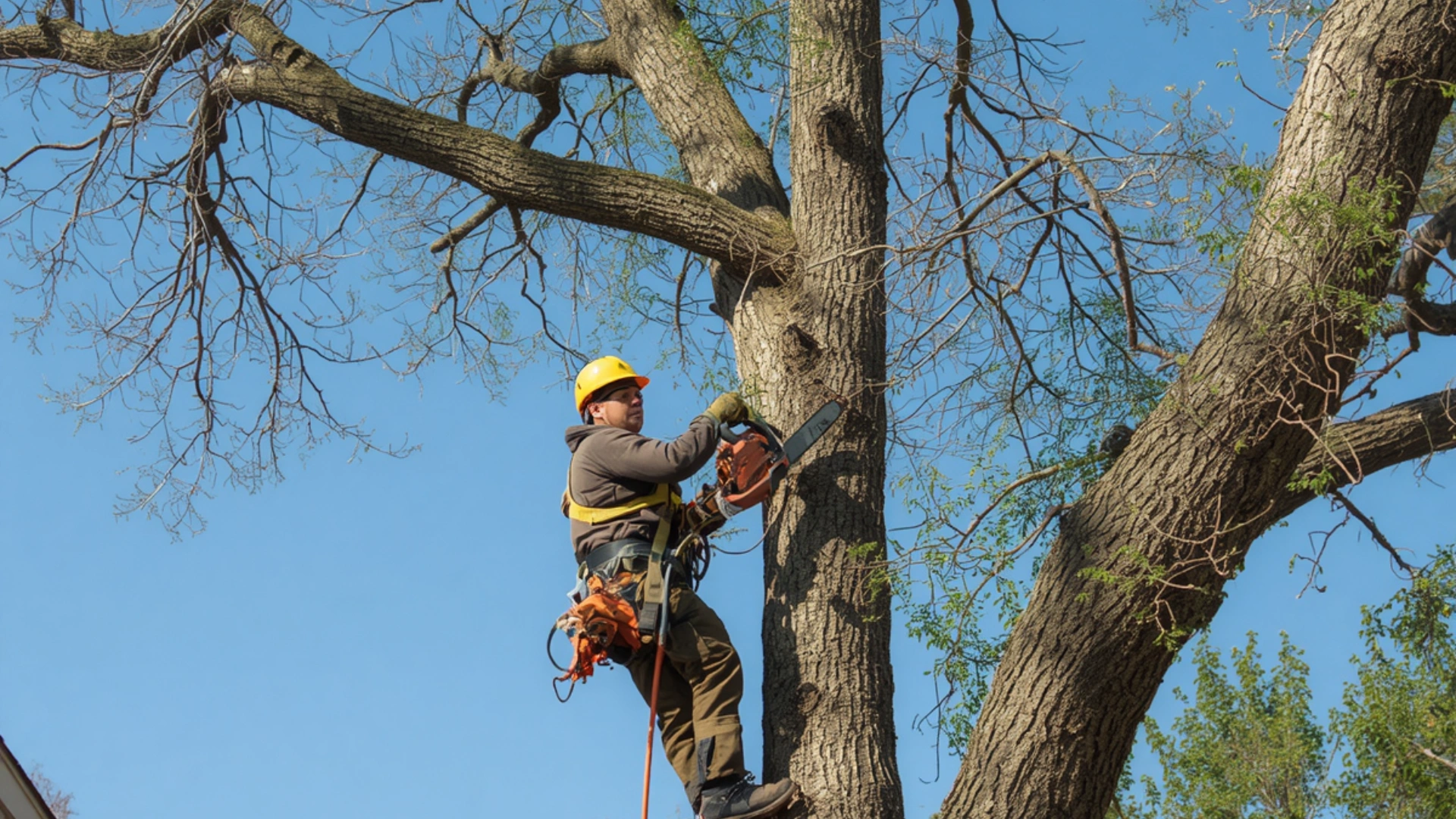
Why Trees Growing Too Close to Homes in Boston NY Require Professional Trimming Before They Cause Expensive Damage
Trees are among the most valuable features of any residential property. They provide shade, enhance curb appeal, improve air quality, and can even increase property value. However, when trees grow too close to homes, they can become a serious source of damage and financial liability. What begins as a few overhanging branches can eventually lead to roof repairs, gutter damage, foundation concerns, and even insurance complications.
Many homeowners don’t realize the risks until significant damage has already occurred. That’s why property owners searching for a tree trimming service near me Boston NY often discover that preventive maintenance is far less expensive than repairing structural damage caused by neglected trees.
Professional tree trimming helps maintain a safe distance between trees and structures while preserving the health and beauty of your landscape. Understanding the risks associated with trees growing too close to homes can help you make informed decisions before small issues become major expenses.
Why Trees Naturally Grow Toward Homes
Trees seek sunlight and available space. As they mature, branches often extend toward nearby structures, especially when homes interrupt their natural growth patterns.
Over time, branches may begin to:
- Touch roofs
- Rub against siding
- Extend over gutters
- Reach chimneys
- Hang above decks and patios
- Grow near utility connections
While these situations may appear harmless initially, they often create conditions that lead to costly repairs.
A professional tree trimming service Boston NY can identify potential problems early and implement corrective pruning techniques that reduce risk without harming the tree.
Roof Damage Caused by Overhanging Branches
One of the most common issues associated with trees growing too close to homes is roof damage.
Even small branches can cause significant wear over time. As branches sway during windy conditions, they repeatedly rub against roofing materials.
This constant contact can:
- Remove protective granules from shingles
- Create cracks and weak spots
- Damage flashing
- Shorten roof lifespan
- Allow moisture intrusion
During storms, larger limbs can break unexpectedly and fall onto the roof, causing immediate structural damage.
Regular inspections and trimming help prevent branches from making contact with roofing materials while reducing the likelihood of storm-related impacts.
How Trees Damage Gutters and Drainage Systems
Gutters play a critical role in directing water away from your home. Unfortunately, nearby trees often interfere with this system.
Branches positioned above gutters contribute to:
- Excessive leaf accumulation
- Twigs and debris buildup
- Water overflow
- Gutter sagging
- Downspout blockages
When gutters become clogged, rainwater may overflow and collect around the home’s foundation. This can eventually contribute to moisture issues, erosion, and basement water intrusion.
Homeowners frequently discover that routine trimming costs far less than repairing damaged drainage systems.
The Hidden Threat to Home Siding
Trees growing close to exterior walls create more than just cosmetic concerns.
Branches that contact siding can:
- Scratch painted surfaces
- Damage vinyl siding
- Create entry points for moisture
- Accelerate exterior wear
In addition, dense foliage surrounding the home can trap moisture against exterior walls.
This increased moisture exposure may encourage:
- Mold growth
- Mildew development
- Wood rot
- Pest activity
Proper pruning improves airflow around the structure while reducing direct contact between branches and siding materials.
Chimney Damage and Fire Hazards
Trees near chimneys present unique challenges.
Overhanging limbs can:
- Restrict access for inspections
- Deposit debris onto chimney systems
- Increase fire risks
- Interfere with ventilation
Dry branches positioned near active chimneys may become a potential ignition source under certain conditions.
Additionally, accumulated leaves and debris can obstruct proper chimney maintenance.
Professional trimming helps maintain appropriate clearance while supporting safe chimney operation throughout the year.
Foundation Problems Linked to Tree Growth
While branches above ground create visible concerns, tree-related foundation issues often develop below the surface.
Large trees growing too close to homes may influence soil conditions surrounding foundations.
Potential concerns include:
Soil Moisture Changes
Tree roots absorb substantial amounts of water.
In some situations, excessive root activity can contribute to soil movement and shifting.
Root Expansion
Large root systems may extend well beyond the tree canopy.
Roots can interfere with:
- Walkways
- Driveways
- Retaining walls
- Foundation-adjacent structures
Drainage Disruption
Root growth can affect water movement across the property, contributing to drainage challenges over time.
An experienced arborist near me can evaluate tree placement and recommend solutions that minimize structural risks while preserving valuable trees whenever possible.
Pest Problems Associated with Overhanging Trees
Branches touching a home can create a natural bridge for unwanted pests.
Common visitors include:
- Ants
- Rodents
- Squirrels
- Raccoons
- Insects
These animals often use tree branches as access points to roofs and attics.
Once inside, they may cause:
- Insulation damage
- Electrical issues
- Contamination
- Structural deterioration
Maintaining proper clearance between trees and structures helps reduce opportunities for pest entry.
Insurance Concerns Homeowners Should Understand
Insurance companies increasingly pay attention to property maintenance issues that contribute to preventable claims.
Neglected trees may increase the risk of:
- Roof damage claims
- Storm-related losses
- Structural damage
- Liability incidents
In some situations, insurance providers may determine that property owners failed to address obvious hazards.
Routine inspections and professional trimming demonstrate responsible property maintenance and may help reduce the likelihood of preventable claims.
When homeowners ask about the average cost to cut down a tree, they are often surprised to learn that preventive trimming can significantly delay or eliminate the need for complete removal.
Warning Signs That Trees Are Too Close to Your Home
Property owners should watch for several indicators that professional trimming may be necessary.
Branches Touching the Roof
Any direct contact should be addressed promptly.
Limbs Hanging Over Structures
Large branches above roofs, garages, sheds, or decks present elevated risks.
Excessive Shade
Dense canopies can trap moisture and promote mold growth.
Debris Accumulation
Frequent gutter cleaning may indicate a need for canopy reduction.
Visible Branch Rubbing
Scratches on siding, gutters, or roofing materials suggest ongoing damage.
If any of these conditions exist, contacting a professional tree service is often the safest course of action.
Why DIY Trimming Can Be Costly
Some homeowners attempt to trim overhanging branches themselves.
Unfortunately, working around homes presents unique challenges.
Risks include:
- Falls from ladders
- Property damage
- Improper pruning cuts
- Personal injury
- Tree instability
Improper trimming may also create long-term health issues for the tree.
Professional crews possess specialized equipment, training, and safety procedures that help ensure effective results.
How an Arborist Helps Protect Your Property
Searching for an arborist near me is often the best first step when evaluating trees growing close to structures.
Arborists can assess:
- Tree health
- Structural integrity
- Growth patterns
- Branch attachment strength
- Root system concerns
- Future growth potential
Their expertise helps homeowners make informed decisions about trimming, preservation, and removal when necessary.
Rather than focusing solely on immediate issues, arborists develop strategies that support long-term tree health and property protection.
When Tree Removal Becomes Necessary
Although trimming resolves many concerns, some situations require complete removal.
Examples include:
- Severe structural defects
- Advanced decay
- Extensive storm damage
- Hazardous lean toward structures
- Irreparable disease
In these cases, homeowners often ask about the average cost to cut down a tree.
The answer depends on factors such as:
- Tree height
- Diameter
- Accessibility
- Proximity to structures
- Cleanup requirements
- Equipment needs
A professional assessment provides the most accurate estimate while ensuring safety throughout the process.
Long-Term Benefits of Professional Tree Trimming
Routine trimming offers numerous advantages beyond immediate damage prevention.
These benefits include:
Improved Tree Health
Removing weak and damaged branches encourages healthier growth.
Enhanced Property Appearance
Well-maintained trees improve curb appeal and overall landscape quality.
Reduced Maintenance Costs
Preventive care minimizes the likelihood of expensive emergency services.
Increased Safety
Regular inspections help identify hazards before they become serious threats.
Better Property Value
Healthy, properly maintained trees remain valuable landscape assets.
For homeowners seeking a dependable tree trimming service near me Boston NY, routine maintenance remains one of the smartest investments they can make.
Protect Your Home Before Damage Occurs
Trees add tremendous beauty and value to residential properties, but allowing them to grow too close to homes can create significant risks. Roof damage, gutter issues, siding deterioration, pest problems, and foundation concerns often develop gradually, making them easy to overlook until costly repairs become necessary.
Working with a trusted tree trimming service Boston NY allows homeowners to address these issues proactively. Whether you need guidance from an experienced arborist near me, want to understand the average cost to cut down a tree, or require professional trimming services, early intervention is almost always the most cost-effective solution.
Maintaining proper clearance between trees and structures protects both your landscape investment and your home, helping you avoid expensive damage while preserving the beauty of your property for years to come.
Frequently Asked Questions
How close can tree branches safely be to a house?
Branches should generally remain several feet away from roofs, siding, and chimneys to prevent damage and allow proper airflow around the structure.
Why should I hire a tree trimming service near me Boston NY instead of trimming branches myself?
Professional tree services have the training, equipment, and experience necessary to safely trim branches near structures without causing property damage or personal injury.
Can tree roots damage my home’s foundation?
In some situations, large root systems may contribute to soil movement, drainage issues, or interference with nearby structures. A professional evaluation can determine potential risks.
How do I know if I need an arborist near me?
If you have concerns about tree health, structural stability, root growth, disease, or long-term maintenance planning, an arborist can provide expert guidance.
What is the average cost to cut down a tree?
The average cost to cut down a tree varies based on size, location, condition, accessibility, and cleanup requirements. A professional inspection provides the most accurate estimate.
How often should trees near homes be trimmed?
Most trees benefit from periodic inspections and trimming every few years, though growth rates, species, and property conditions may influence maintenance schedules.