
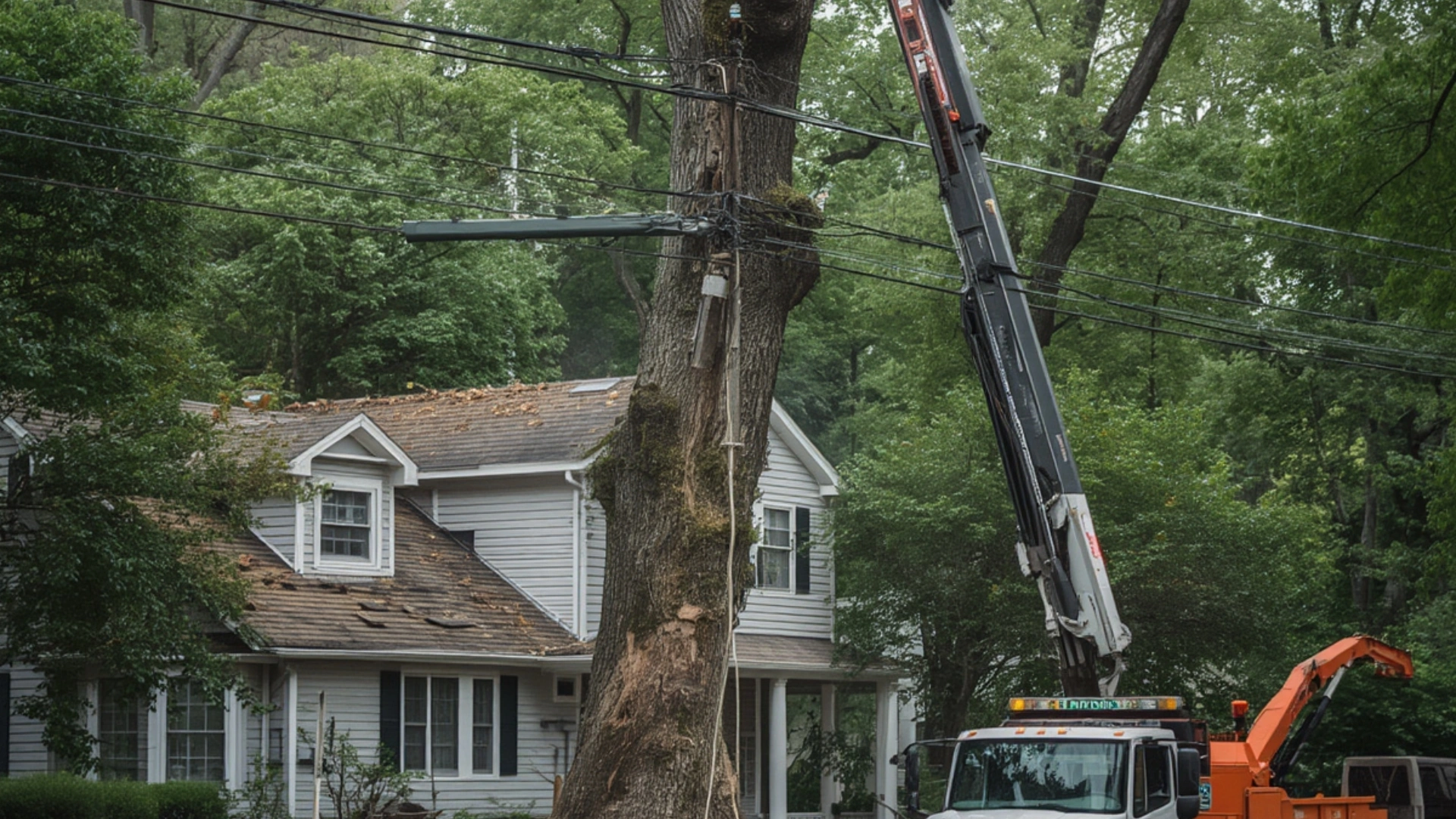
Tree Fell on My House in Boston, NY: What to Do in the First 24 Hours
A severe storm can change everything in a matter of seconds. High winds, heavy rain, lightning, or saturated soil can cause even healthy trees to fail unexpectedly. If a tree crashes onto your home, the situation can be overwhelming and dangerous. Knowing what to do during the first 24 hours can help protect your family, reduce further property damage, and make the recovery process much smoother.
For homeowners in Boston, NY, storm-related tree emergencies are a reality, especially during periods of strong winds and severe weather. Whether a large oak has landed on your roof or you’re dealing with a leaning tree after storm emergency, taking the right steps immediately is critical. If you’re searching for tree removal near me Boston NY, choosing an experienced emergency tree service can make all the difference.
This guide walks you through exactly what to do after a tree falls on your house and explains why acting quickly is essential.
Stay Calm and Put Safety First
The first priority is always the safety of everyone inside the home.
A fallen tree can compromise the structural integrity of your house, damage electrical wiring, rupture gas lines, or create unstable conditions that are difficult to recognize. Resist the urge to inspect the damage too closely until you’re certain it is safe.
If anyone is injured, call emergency medical services immediately. If there is visible structural damage, unusual sounds, or the smell of natural gas, evacuate the property without delay.
Never assume that a tree resting on your roof is stable. Additional branches or sections of the trunk may still shift or collapse.
Watch for Immediate Hazards
Once everyone is safely outside, carefully assess the situation from a safe distance.
Common hazards include:
- Downed electrical wires
- Broken gas lines
- Roof collapse
- Falling limbs
- Cracked foundations
- Broken windows
- Flooding caused by roof damage
- Trees leaning against the house
A leaning tree after storm emergency can be just as dangerous as a tree that has already fallen. Trees with damaged root systems may collapse hours or even days after the storm has passed.
Do not walk beneath hanging branches or attempt to climb onto the roof to inspect damage.
Contact Emergency Services if Necessary
Depending on the severity of the situation, you may need to contact local emergency responders.
Call 911 if:
- Power lines are involved
- Someone is trapped
- Gas is leaking
- Fire hazards exist
- The structure appears unstable
Utility companies should also be notified if electrical service has been interrupted or if utility poles have been damaged.
Only trained professionals should work around energized power lines.
Document the Damage
Before any cleanup begins, document everything.
Take clear photographs of:
- The entire tree
- Roof damage
- Broken windows
- Interior ceiling leaks
- Damaged vehicles
- Fences
- Landscaping
- Detached garages
- Fallen branches
Capture wide-angle photos as well as close-up images from multiple angles.
Good documentation can significantly simplify the insurance claims process.
Contact Your Insurance Company
Notify your homeowner’s insurance provider as soon as possible.
Most insurance companies will ask for:
- Photos
- A description of the incident
- Date and time of the storm
- Emergency mitigation steps already taken
- Estimates from tree service professionals
Avoid making permanent repairs before speaking with your insurance adjuster unless immediate action is necessary to prevent additional damage.
Temporary measures such as roof tarping are generally encouraged.
Call an Emergency Tree Removal Company
Removing a tree from a damaged structure is never a DIY project.
Professional crews use specialized equipment to safely remove sections of the tree without causing additional structural damage.
If you’ve searched for tree removal near me Boston NY, choose a company that offers:
- Emergency response
- Fully insured crews
- Modern equipment
- Crane-assisted removals
- Storm cleanup
- Complete debris removal
- Experienced operators
Professional removal protects both your home and the people working around it.
Why You Should Never Remove a Fallen Tree Yourself
Many homeowners assume cutting away branches with a chainsaw will reduce damage.
Unfortunately, this often makes the situation worse.
Trees under tension can suddenly release enormous amounts of stored energy when cut improperly.
This can result in:
- Serious injuries
- Roof collapse
- Additional structural damage
- Chainsaw accidents
- Falling limbs
- Property damage
Large trees resting on roofs require carefully planned removal techniques using cranes, ropes, rigging systems, and experienced operators.
Address Water Damage Quickly
Once the tree has been safely removed, preventing water intrusion becomes the next priority.
A damaged roof can allow rainwater to enter the attic and living areas within minutes.
Water damage may lead to:
- Mold growth
- Ceiling collapse
- Insulation damage
- Electrical hazards
- Warped flooring
- Damaged drywall
Temporary roof tarping can help minimize further losses until permanent repairs are completed.
Understand Why Trees Fall During Storms
Many homeowners are surprised when healthy-looking trees suddenly fail.
Several factors contribute to storm-related failures.
Saturated Soil
After prolonged rainfall, the soil becomes soft, reducing the roots’ ability to anchor the tree securely.
High Winds
Strong winds place tremendous pressure on large canopies.
Trees with dense crowns experience greater wind resistance and are more likely to uproot.
Internal Decay
Trees often rot from the inside out.
A tree may appear healthy externally while its interior has become dangerously weak.
Poor Pruning
Improper pruning leaves trees unbalanced, increasing the risk of storm failure.
Regular professional trimming helps distribute weight evenly.
Dead Branches
Dead limbs become brittle over time and often break first during severe weather.
Routine maintenance removes these hazards before storms arrive.
Warning Signs Before a Tree Falls
Many tree failures provide warning signs beforehand.
Watch for:
- Leaning trunks
- Newly exposed roots
- Cracks in the trunk
- Hollow sections
- Mushrooms growing near the base
- Dead branches
- Large cavities
- Splitting bark
- Soil lifting around the root system
If you notice any of these problems, schedule an inspection before severe weather arrives.
Early intervention is much less expensive than emergency removal.
What if the Tree Is Still Standing but Leaning?
Not every emergency involves a tree that has already fallen.
A leaning tree after storm emergency should always be treated as an urgent safety concern.
Even if the tree remains upright, hidden root damage may cause it to collapse without warning.
Avoid parking vehicles nearby or allowing children to play close to the tree.
Professional assessment can determine whether the tree can be saved through corrective pruning or cabling, or if removal is the safest solution.
Preventing Future Tree Emergencies
Although storms cannot be prevented, homeowners can significantly reduce the risk of tree-related damage through regular maintenance.
Preventive care includes:
- Annual tree inspections
- Routine pruning
- Removing dead limbs
- Monitoring tree health
- Cabling weak branch unions
- Removing hazardous trees before they fail
- Watching for signs of disease and insect infestations
Healthy, well-maintained trees are far more likely to withstand severe weather than neglected ones.
What to Expect During Emergency Tree Removal
Once you’ve contacted a professional tree service, the crew will begin by evaluating the situation before making any cuts. Every emergency is different, and the removal process depends on the tree’s size, location, and the extent of the damage.
A typical emergency tree removal includes:
- A complete safety assessment
- Identifying structural hazards
- Protecting nearby landscaping and property
- Section-by-section tree removal
- Crane assistance when necessary
- Debris removal
- Final site cleanup
Professional crews use specialized rigging equipment to safely lower heavy branches instead of allowing them to fall freely. This controlled approach minimizes additional damage to your home and surrounding property.
The Importance of Fast Response
Time is critical after a tree falls on your home.
Delaying emergency tree removal can lead to:
- Additional roof collapse
- Water intrusion
- Mold growth
- Pest infestations
- Increased structural damage
- Higher repair costs
Even if the storm has passed, the damaged tree may continue shifting as winds change or saturated soil settles. Prompt action helps stabilize the situation and allows repair contractors to begin restoring your home sooner.
Why Preventive Tree Care Matters
Many emergency tree removals could be avoided with routine maintenance.
Professional tree inspections can identify weak limbs, internal decay, root damage, and structural defects before they become dangerous.
Regular tree care provides several long-term benefits:
Improved Safety
Removing weak or damaged branches reduces the chance of unexpected failures during storms.
Healthier Trees
Pruning encourages healthy growth while reducing the spread of disease and insect infestations.
Better Storm Resistance
A properly pruned canopy allows wind to pass through more easily, reducing stress on the trunk and root system.
Increased Property Value
Healthy, attractive trees enhance curb appeal and make residential properties more desirable.
How Boston, NY Weather Affects Tree Health
Western New York experiences a variety of weather conditions that can impact tree stability throughout the year.
Heavy Snow
Snow accumulation places significant weight on tree limbs, increasing the likelihood of breakage.
Ice Storms
Ice-covered branches become much heavier and are more likely to snap or split.
High Winds
Strong windstorms can uproot trees with shallow or weakened root systems.
Saturated Soil
Extended periods of rainfall soften the ground, reducing the tree’s ability to remain securely anchored.
Routine inspections after major storms help identify hidden damage before another weather event causes complete failure.
Choosing the Right Emergency Tree Service
When searching online for tree removal near me Boston NY, not every company offers the same level of expertise.
Look for a tree service that provides:
- Emergency response availability
- Experienced and trained professionals
- Fully insured crews
- Modern equipment
- Safe removal practices
- Storm damage cleanup
- Transparent estimates
- Excellent customer reviews
Choosing an experienced company ensures the work is completed safely while protecting your property from additional damage.
Don’t Ignore a Leaning Tree
Many homeowners assume a leaning tree can wait until later.
Unfortunately, a leaning tree after storm emergency is often unpredictable.
The root system may already be failing, even if the tree still appears stable.
Warning signs include:
- Fresh soil movement around the base
- Newly exposed roots
- Leaning more than before the storm
- Cracks in the ground
- Broken major limbs
- Splitting trunk
- Tree resting against another tree or structure
If you notice any of these conditions, avoid the area and contact a professional tree service immediately.
Why Professional Equipment Makes the Difference
Emergency tree removal often requires specialized equipment that homeowners simply don’t have access to.
Professional crews may use:
- Bucket trucks
- Cranes
- Wood chippers
- Rigging systems
- Climbing gear
- Commercial chainsaws
- Safety harnesses
- Stump grinders
Using the proper equipment reduces risk, speeds up the removal process, and prevents unnecessary property damage.
Trust Boston NY Tree Service for Emergency Tree Removal
A tree falling on your home is one of the most stressful situations a homeowner can face. Knowing what to do during the first 24 hours can protect your family, simplify your insurance claim, and reduce costly damage.
Always prioritize safety, avoid attempting dangerous tree removal yourself, document the damage, notify your insurance company, and contact experienced professionals as soon as possible.
At Boston NY Tree Service, we understand how urgent storm-related tree emergencies can be. Our experienced team provides fast, dependable emergency tree removal, storm damage cleanup, and professional tree care throughout Boston, NY, and surrounding communities. Whether you need immediate assistance after a fallen tree or help with a leaning tree after storm emergency, we’re ready to respond with the equipment and expertise needed to restore your property’s safety.
Frequently Asked Questions
1. What should I do first if a tree falls on my house?
Your first priority is safety. Make sure everyone is out of danger, avoid entering damaged areas, call emergency services if necessary, and contact a professional tree removal company before attempting any cleanup.
2. Will homeowners insurance cover a fallen tree?
In many cases, homeowners insurance covers damage caused by fallen trees resulting from storms or other covered events. Coverage varies by policy, so contact your insurance provider as soon as possible to begin the claims process.
3. How quickly should a fallen tree be removed?
Emergency tree removal should be scheduled immediately. Leaving a tree on your home can increase structural damage, allow water intrusion, and create ongoing safety hazards.
4. Is a leaning tree always dangerous?
Not always, but a leaning tree after storm emergency should always be inspected by professionals. Hidden root damage can cause the tree to fall unexpectedly.
5. Can I remove a fallen tree myself?
No. Trees resting on homes are unstable and can shift without warning. Professional crews have the training and equipment needed to remove trees safely.
6. How can I reduce the risk of trees falling during storms?
Regular tree inspections, routine pruning, removing dead branches, monitoring tree health, and addressing structural issues early can significantly reduce storm-related tree failures.
7. When should I search for “tree removal near me Boston NY”?
If a tree has fallen, is leaning dangerously, has large broken limbs, or poses an immediate threat to your home or family, contact an emergency tree removal service right away.