
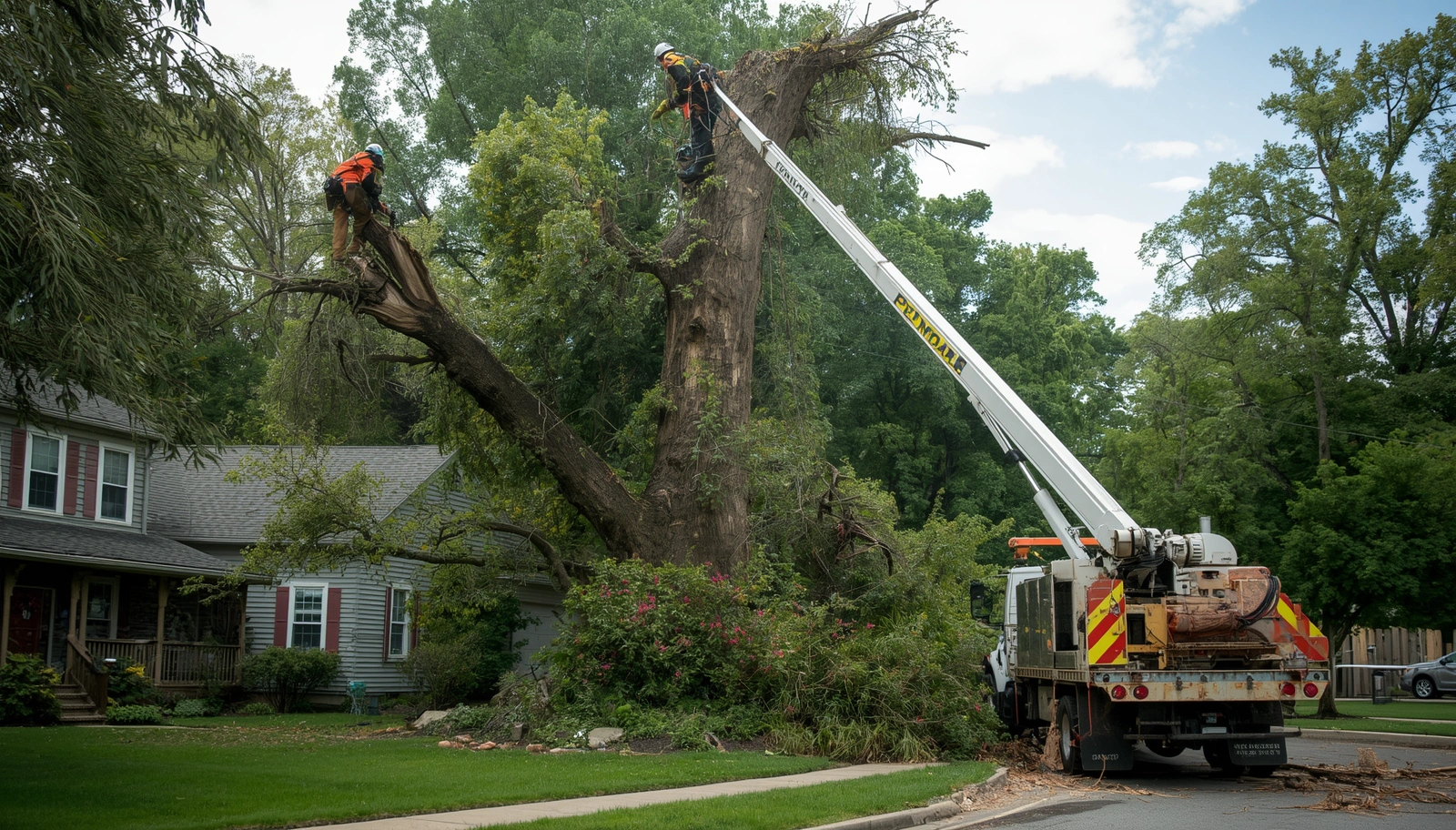
Why Prompt Dead Tree Removal in Boston NY Protects Your Property and Safety
Trees are valuable assets that enhance curb appeal, provide shade, improve air quality, and increase property value. However, when a tree dies, it quickly transforms from a beautiful landscape feature into a significant safety hazard. Many property owners assume a dead tree can remain standing for months or even years without causing problems. Unfortunately, that assumption can lead to costly consequences.
If you’re considering dead tree removal Boston NY, acting sooner rather than later can save you money, prevent property damage, and protect the people around your home or business. Dead trees become weaker over time, making them increasingly vulnerable to storms, strong winds, heavy snow, and even minor weather events.
In this guide, we’ll explore why delaying dead tree removal is risky, how to identify a dead tree, and why professional removal is the safest solution for Boston property owners.
Understanding What Makes a Tree Dead
A tree is considered dead when it can no longer transport water and nutrients through its vascular system. Once this process stops, the tree gradually loses structural integrity and begins to decay.
Common reasons trees die include:
- Disease and fungal infections
- Severe insect infestations
- Root damage
- Lightning strikes
- Drought stress
- Storm damage
- Construction-related injuries
- Aging and natural decline
While some trees die gradually, others can decline rapidly after a major weather event or disease outbreak.
Warning Signs That a Tree May Be Dead
Recognizing the early signs of tree death can help homeowners avoid unexpected hazards.
No Leaves During Growing Season
If neighboring trees are healthy and producing foliage while one tree remains bare, it may be dead.
Large Dead Branches
Dead branches often become brittle and break unexpectedly. These falling limbs can injure people or damage vehicles and structures.
Peeling or Missing Bark
Healthy trees retain most of their bark. Extensive bark loss often indicates severe decline.
Fungal Growth
Mushrooms growing around the base or trunk may signal internal decay.
Hollow or Decayed Trunk
Visible cavities, cracks, or hollow sections suggest the tree’s structure is compromised.
Brittle Branches
Dead branches snap easily and often appear dry or gray.
No Green Beneath the Bark
A simple scratch test can reveal whether a tree is alive. Healthy trees show green tissue beneath the bark, while dead trees do not.
Why Waiting to Remove a Dead Tree Is Dangerous
Many property owners delay tree removal because the tree appears stable. However, dead trees become more dangerous with time.
Increased Risk of Falling Branches
One of the most immediate threats is falling limbs. As wood dries out, branches become brittle and can break without warning.
Even small branches can:
- Damage vehicles
- Break windows
- Destroy fences
- Cause serious injuries
Larger limbs can create significant structural damage.
Greater Chance of Complete Tree Failure
Dead trees lose strength every day they remain standing.
Strong winds, heavy rain, ice accumulation, or snow loads can cause the entire tree to collapse.
When a dead tree falls, it can damage:
- Homes
- Garages
- Sheds
- Vehicles
- Utility lines
- Neighboring properties
The cost of repairs often far exceeds the cost of professional tree removal.
Liability Concerns
Property owners have a responsibility to maintain reasonably safe conditions.
If a dead tree falls and causes injury or property damage, the owner may face legal and financial consequences.
Prompt dead tree removal Boston NY services can reduce liability risks and demonstrate responsible property maintenance.
Dead Trees Attract Pests
Dead and decaying wood provides an ideal environment for numerous pests.
Common invaders include:
- Carpenter ants
- Beetles
- Wood-boring insects
- Termites
- Rodents
These pests may eventually migrate into nearby structures.
Removing dead trees early helps reduce infestation risks and protects surrounding vegetation.
Tree Diseases Can Spread
Many tree diseases spread through roots, spores, and insect activity.
A dead or dying tree can become a source of infection for nearby healthy trees.
Common concerns include:
- Fungal diseases
- Root rot
- Canker diseases
- Dutch elm disease
- Oak wilt
Removing infected trees quickly can help preserve the health of your landscape.
Weather Conditions in Boston NY Increase the Risk
Western New York experiences a variety of weather conditions throughout the year.
These include:
- Strong winds
- Thunderstorms
- Heavy snowfall
- Ice storms
- Freezing temperatures
Dead trees cannot withstand these conditions as effectively as healthy trees.
Winter weather is particularly dangerous because accumulated snow and ice add significant weight to weakened branches.
As a result, tree failures often occur during storms when emergency services are busiest and removal costs may be higher.
Dead Trees Affect Property Appearance
Beyond safety concerns, dead trees negatively impact curb appeal.
Potential buyers often view dead trees as:
- A maintenance issue
- A safety concern
- An added expense
Removing hazardous trees can improve the appearance of your property and help maintain property value.
A clean, well-maintained landscape creates a positive impression and contributes to neighborhood aesthetics.
Why Professional Tree Removal Matters
Removing a dead tree is far more complicated than many homeowners realize.
Dead trees behave unpredictably because:
- Internal decay weakens structural integrity
- Branches may break unexpectedly
- Weight distribution may be uneven
- Root systems may be unstable
Professional tree removal companies use specialized equipment and proven techniques to safely remove hazardous trees.
Benefits of hiring professionals include:
Safety
Experts understand how to control the direction of falls and avoid nearby structures.
Proper Equipment
Professional crews use:
- Chainsaws
- Rigging systems
- Cranes when needed
- Stump grinders
- Safety gear
Insurance Protection
Licensed and insured companies provide protection against unforeseen incidents.
Efficient Cleanup
Professionals remove debris, branches, and wood efficiently, leaving your property clean and safe.
How the Tree Removal Process Works
Most dead tree removal projects follow several key steps.
Initial Assessment
An arborist evaluates:
- Tree condition
- Height
- Diameter
- Proximity to structures
- Access limitations
Removal Planning
The crew develops a safe removal strategy.
Tree Dismantling
Large trees are often removed in sections to minimize risk.
Debris Removal
Branches and logs are hauled away or processed onsite.
Stump Removal (Optional)
Property owners may choose stump grinding to completely eliminate the remaining stump.
How Much Does Dead Tree Removal Cost?
Several factors influence removal costs:
- Tree size
- Tree height
- Tree condition
- Accessibility
- Nearby structures
- Emergency service requirements
- Equipment needed
Although homeowners may hesitate because of cost concerns, delaying removal often results in more expensive emergency situations.
A tree that falls on a roof can generate repair bills far exceeding the cost of preventative removal.
When Should You Schedule Removal?
The best time to remove a dead tree is as soon as it is identified.
However, removal becomes especially urgent when:
- The tree leans significantly
- Large branches are falling
- The tree is close to a structure
- Cracks appear in the trunk
- Root damage is visible
- Severe decay is present
Early action allows property owners to schedule service before emergencies occur.
Choosing the Right Tree Removal Company in Boston NY
When selecting a tree service provider, consider the following:
Experience
Look for companies with extensive tree removal expertise.
Insurance Coverage
Verify liability and workers’ compensation insurance.
Local Knowledge
A local company understands regional tree species and weather conditions.
Equipment Capabilities
Ensure they have the tools needed for your specific project.
Customer Reviews
Positive reviews often indicate reliable service and customer satisfaction.
Preventing Future Tree Hazards
Regular tree inspections can help identify problems before they become dangerous.
Property owners should:
- Schedule annual inspections
- Remove dead branches promptly
- Monitor tree health after storms
- Address pest infestations quickly
- Water trees during drought periods
Preventive maintenance extends tree life and reduces safety risks.
Conclusion
Dead trees rarely become safer with time. In fact, every season that passes increases the likelihood of branch failure, structural collapse, pest infestations, and property damage.
For homeowners and businesses seeking dead tree removal Boston NY, prompt action is the most effective way to protect people, structures, vehicles, and surrounding trees. Professional tree removal services provide the expertise, equipment, and safety measures necessary to handle hazardous trees properly.
If you suspect a tree on your property is dead or dying, don’t wait for the next storm to reveal the consequences. Schedule an inspection and take proactive steps to keep your property safe.
Frequently Asked Questions
How can I tell if a tree is dead?
Common signs include no leaves during the growing season, brittle branches, peeling bark, fungal growth, and a lack of green tissue beneath the bark.
Is a dead tree dangerous even if it looks stable?
Yes. Dead trees weaken over time and can fail unexpectedly during wind, rain, snow, or ice storms.
How quickly should a dead tree be removed?
Removal should be scheduled as soon as the tree is confirmed dead, especially if it is near structures, roads, or walkways.
Can a dead tree attract pests?
Yes. Dead wood attracts termites, carpenter ants, beetles, rodents, and other pests that may spread to nearby plants or buildings.
Is professional tree removal necessary?
Yes. Dead trees are unpredictable and dangerous to remove without proper equipment, training, and safety procedures.